
Home and Away Form: Schedule Analysis for US Soccer Tipsters
Read home and away form separately, factor in midweek games, and use xG over league position. How schedule analysis sharpens your weekly prediction picks.
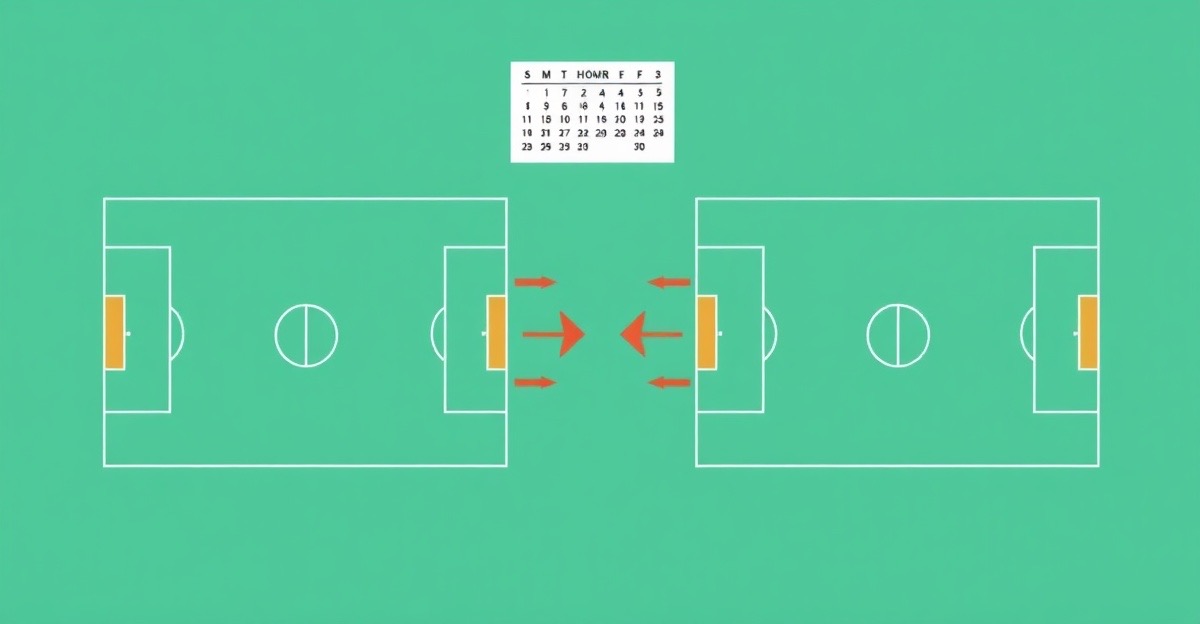
Why location matters more than you think
Home advantage in football is real, not just a cliché. Teams genuinely perform differently depending on where they play, and noticing these patterns is one of the simpler ways to find value in your weekly tips.
A common habit is to glance at the league table and recent results and place tips based on that. Splitting home and away statistics out separately reveals patterns that the raw form table hides. A mid-table side might look consistent at first glance while running a fortress at home and a wreck on the road.
Take a club sitting in eighth place. Their overall record looks steady, but seven home wins from ten and one away win from ten tells a very different story. That isn’t inconsistency. That’s effectively two different teams depending on the venue.
Breaking down home and away records
Start by separating home and away performance properly. Don’t just look at points; look at goals scored and goals conceded too.
Some sides play open, attacking football at home and park the bus on the road. Others use the same approach regardless of venue but lack the confidence to execute it away from home. The underlying reasons matter less than spotting the pattern.
Look at defensive records specifically. A team might concede about one goal per match overall, but if that’s 0.5 at home and 1.5 away, that completely changes how you should approach their upcoming fixtures.
Reading fixture lists for hidden value
The fixture list tells you more than just who plays whom. It reveals rhythm and pressure points and the occasional trap match.
Good form analysis means looking at what came before and what comes after the match you’re tipping. A team facing three tough matches in quick succession approaches each differently than if they had comfortable fixtures either side.
Picture a mid-table team hosting a relegation candidate between two matches against title challengers. The middle fixture looks like a banker. Not necessarily. The coaching staff might rotate heavily, players might lack focus, or the team might approach it casually and struggle.
The hidden impact of fixture density
Fixture density in the Bundesliga and other top leagues creates periods where teams play every three or four days. These compressed schedules expose which squads have real depth and which lean on their starting eleven.
English weeks, as the Germans call them, occur when teams play both midweek and weekend matches. They tend to stack up in autumn and spring when European competitions and domestic cups overlap with the league.
Teams with thin squads or injury problems suffer noticeably. Performance often drops in the second or third match of a congested period. Meanwhile, clubs with deep benches and rotation options stay more consistent.
Watch for patterns over multiple seasons. Some managers refuse to rotate and run their best players into the ground. Others manage workload carefully but lose rhythm through constant changes. Both approaches have implications for your tips.
Reading recent form the right way
Checking recent form is the obvious move; few people do it well. Five matches is the standard window, but context matters more than the raw numbers.
A team with three wins, one draw and one loss looks decent on paper. But if those three wins came against the bottom three clubs, the draw was against a mid-table side, and the loss was against a top-six team, that isn’t good form. That’s a team performing exactly to expectation.
Compare actual results against what you’d expect from the opposition quality. A side taking four points from matches against two top-four teams shows better underlying form than a side taking six points from two relegation battlers.
The timing of form patterns
Form cycles are real. Teams hit good patches and bad patches within seasons. Working out where a team sits in their cycle helps you predict whether the current form continues or reverses.
A club on a five-match winning streak might look unstoppable, but if those wins came through late goals and opposition mistakes rather than dominant performances, regression to the mean is likely. The results suggest great form, but the performances tell a different story.
The reverse is also worth watching. A team without a win in four matches might have played well in each, hitting the post and facing inspired goalkeepers. Their results suggest poor form, but their performances suggest better results are coming.
Pressure points in the season
Different parts of the season create different pressures, and teams respond differently to them.
Early-season form is often deceptive. Teams are still finding rhythm, new signings are settling in, and the table doesn’t reflect actual quality yet. September results tell you less than November ones.
The Christmas period in English football is a category of its own. Tips for english-weeks match schedules are especially valuable here because teams play several times per week for an extended stretch. Fresh legs and squad depth become huge advantages.
Late-season pressure splits teams into categories. Title chasers and European hopefuls tend to raise their game. Teams fighting relegation become unpredictable, swinging between desperation-fuelled performances and collapses under pressure. Sides safely mid-table often coast, producing inconsistent performances that create value.
Combining location and schedule analysis
The real skill comes from combining these factors. A strong home team might still struggle if it’s playing a third match in seven days. A poor away team might punch above its weight if it’s well-rested and the opponent is exhausted.
Build yourself a simple system. Note whether each team is at home or away, how many days rest they’ve had, and what’s coming up in their next two fixtures.
This kind of cross-check reveals angles that basic form analysis misses. You’ll spot matches where tired favorites struggle against motivated underdogs, and home teams likely to dominate well-rested but poor away sides.
Avoiding common analysis mistakes
Don’t weight all matches equally. A team’s loss to the league leaders tells you less about their prospects against mid-table opposition than their draw against a similarly ranked side does.
Don’t ignore narrow sample sizes for specific situations. A team’s overall home record might be excellent, but if they’re specifically weak after European matches, that small sample carries more weight for post-European fixtures.
Don’t chase losing streaks blindly. “They’re due a win” is the gambler’s fallacy. Teams need underlying performance quality to turn around bad runs. Without that foundation, poor form can extend far longer than seems reasonable.
Building your analysis routine
Start with fixture lists when they’re released. Mark periods of fixture congestion and note which teams face difficult runs.
Before each weekend’s tips, check not just the upcoming matches but the context around them. What came before? What comes after? How rested are both teams?
Track your analysis over time. Note when your home/away splits correctly predicted unexpected results, and when fixture density created the value you anticipated. Learning from your successful predictions matters as much as learning from your misses.
The markets are efficient, but they’re not perfect. Careful attention to location, schedule and genuine form gives you an edge in finding the value they miss.