
Football Manager Games Compared: Top Eleven, OSM and More — UK Reviews
Top Eleven, Online Soccer Manager and Football Manager compared for UK players — which football management game is actually worth your time in 2026.
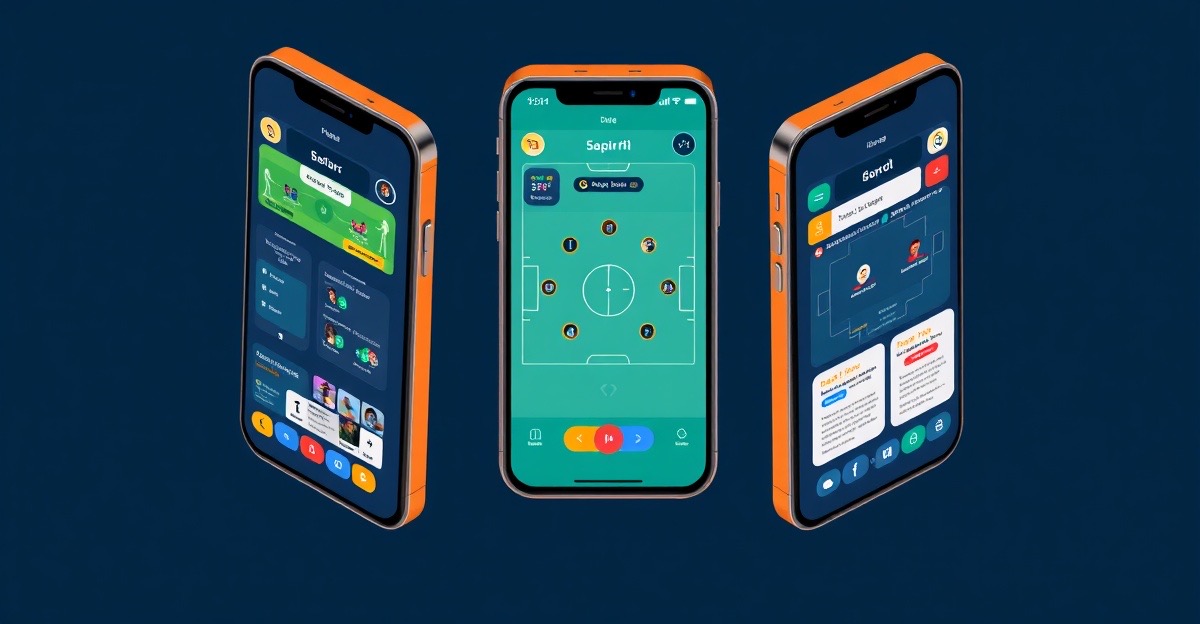
The digital dugout: what makes a great football manager game?
Football manager games have come a long way since Championship Manager was a staple of office computers in the 1990s. Today’s market offers dozens of options, from complex PC simulations to quick-fire mobile experiences. Which ones actually deliver on their promise of virtual glory?
The best football manager games balance depth with accessibility. They let you feel like a tactical genius without requiring a degree in sports science. They also create those memorable moments: a youth prospect scoring the winner in a cup final, or watching your tactics dismantle a stronger opponent.
This comparison focuses on football manager games that have built lasting communities and continue to evolve with the sport. It’s a selection, not an exhaustive list.
Top Eleven: the mobile heavyweight
Top Eleven has been one of the leading mobile manager games since 2010, with millions of registered managers worldwide (Nordeus has repeatedly claimed this number). The game runs entirely in your browser or on mobile devices, which makes it accessible whether you’re on a lunch break or a long commute.
The core gameplay loop is straightforward. You manage every aspect of your club: training sessions, tactics, transfers and match attendance. Matches play out in a stylised match view with animated players, and you can make substitutions and tactical changes in real time.
What sets Top Eleven apart is its emphasis on head-to-head competition. The Associations system lets you join groups of managers who compete for collective rewards, and special events often try to match you against clubs of roughly similar quality, which leads to more balanced contests than pure random matchmaking.
The progression system feels rewarding in the early stages. Building facilities, upgrading your stadium and developing young players gives you clear goals to work toward. Community-made guides in German and other languages can help new players understand the training mechanics, which aren’t immediately obvious from the interface alone.
The monetisation model becomes more apparent as you advance. Token purchases speed up almost everything, and competing at the highest levels often requires regular spending. Free-to-play managers can still succeed, but patience becomes essential.
Online Soccer Manager: depth meets community
Online Soccer Manager (OSM) takes a different approach. Instead of fictional leagues, you choose from real competitions around the world. Want to rebuild Schalke 04 or lead a Turkish second-division side to glory? OSM makes it possible.
The real-club licensing creates immediate emotional investment. Managing the actual squad of your favourite team, with real player names and reasonably accurate statistics, adds authenticity that fictional leagues struggle to match. The database covers hundreds of competitions from dozens of countries.
OSM’s tactical system offers meaningful choices without overwhelming complexity. Formation selection matters, individual player instructions affect performance, and training focus directly impacts your squad’s development. The match engine may look simple, but it clearly accounts for multiple tactical and player-related factors.
The browser-based management experience here emphasises strategic planning over micromanagement. You set tactics, manage training loads and make transfer decisions, but you can’t control every second of match action. That makes OSM a good fit for players who want depth without dedicating hours every day.
OSM also leans heavily on its community features. League chat, manager crews and competitive rankings create a social dimension that extends beyond the matches themselves. Finding tips from experienced players becomes part of the experience, not just a necessity.
Football Manager (Mobile and Console): the simulation benchmark
Sports Interactive’s Football Manager franchise is widely seen as the benchmark for hardcore simulation. For players who want a more streamlined version on mobile or console, the franchise now leans on Football Manager Mobile (Netflix-exclusive on iOS and Android) and Football Manager Console on consoles. The earlier Football Manager Touch line was discontinued as a standalone product after FM22 and folded into the main PC release; on Switch, Touch was eventually superseded by FM Console. Availability and branding keep shifting year-to-year, so always check the current edition before buying.
The depth difference compared with the mobile-first competition is immediately noticeable. Where casual mobile games might offer five training focus areas, the FM family has detailed schedules covering technical work, tactical drills and physical conditioning. The main PC and console match engine renders in full 3D with broadcast-style presentation.
Scouting is a genuine strategic element. Your scout network gradually uncovers player attributes, personality traits and potential. Finding a bargain signing takes research and patience, not just checking who has high ratings.
The tactical creator lets you customise more or less everything: defensive lines, pressing triggers, passing directness, individual player roles. You can spend hours perfecting a system, then watch it succeed or fail based on your squad’s capabilities and execution.
All that depth comes with a steeper learning curve. New players often struggle with the interface and the sheer volume of information. For those willing to invest time, though, FM remains the most authentic football-management experience available outside of actually coaching a team.
Underdog alternative: Hattrick
Hattrick deserves mention for its longevity and unusual approach. Launched in 1997, it’s one of the oldest continuously operating online football manager games. The graphics look dated and the interface feels like early web design, but the community remains dedicated.
What makes Hattrick special is its player-driven economy. Every player in the transfer market was trained by another manager. Scouting doesn’t reveal ready-made superstars; it helps you identify which young players might develop well under your training regime.
Official league rounds are played weekly, with cups and friendlies sprinkled in midweek. This slower pace won’t appeal to everyone, but it means you can manage your team without constant check-ins. The weekly rhythm creates anticipation, as match days become events for the community.
The monetisation is refreshingly fair. Supporter membership is a modest subscription that mainly removes ads while adding convenience features. You can’t buy better players or instant success.
Which game fits your style?
The right football manager game depends on what you value most.
For quick, competitive sessions with constant activity, Top Eleven delivers. The daily engagement cycle suits players who want regular progress and community interaction. Just be aware of the monetisation if you’re committed to free play.
If authenticity matters and you want to manage real clubs with actual squads, OSM provides that connection. The real-world leagues and genuine player names create investment that fictional teams can’t match. The moderate complexity hits a sweet spot between casual and hardcore.
Hardcore simulation fans should head straight for the main Football Manager release on PC, console or mobile (depending on platform). The learning curve is real, but no other option approaches its tactical depth and database accuracy.
Hattrick is ideal if you value community and long-term strategy more than flashy graphics. The weekly rhythm makes it work well as a side game rather than a primary time investment.
The evolution continues
The football manager genre has evolved alongside changes in how people play games today: shorter sessions, more mobile devices and more social features. Cross-platform functionality and seasonal content updates are now baseline expectations.
Each major title updates squads regularly, usually following real-world transfer windows. This keeps the experience fresh and relevant for players who follow actual football closely. Community feedback continues to shape development priorities, from interface improvements to new features.
The core appeal hasn’t changed. Football manager games let you test your tactical knowledge, build something from nothing, and live through the emotional highs and lows of a competition.
If you want quick mobile play, pick Top Eleven. If you want real-club authenticity, go with OSM. If you want maximum depth, go with the current main Football Manager release. If you want a slow-burn community game, try Hattrick. None of them is universally best; the right one is the one that matches your schedule and the kind of manager you want to feel like.